What Is My Antique Worth? 10 Things to Know Before You Sell
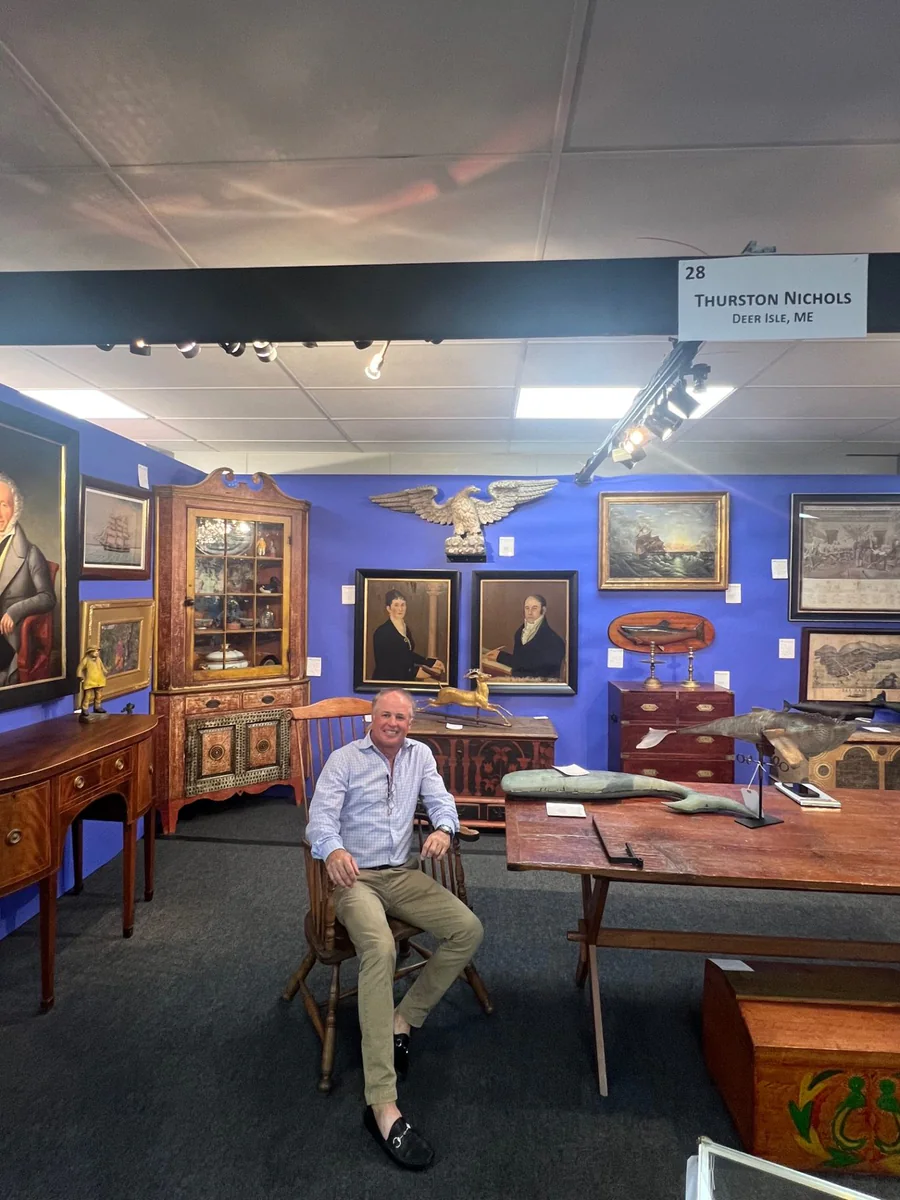
If you have inherited an antique, or you are refining a collection you have built over many years, you may be asking the same question: What is my antique worth?
The answer depends on more than age or appearance. Value is shaped by condition, authenticity, provenance, rarity, current demand, and the market in which the piece is sold.
It also depends on the kind of value you need.
An estate executor may need a realistic fair market value. A collector may want to understand whether a piece belongs in a carefully edited collection. An insurance company may require a replacement value that is higher than what the object would bring at auction.
Before you seek an appraisal or offer an antique for sale, consider these ten points.
1. Start With Accurate Identification
The first step is to understand what you have.
Look for signatures, maker’s marks, labels, dates, inscriptions, construction details, and original hardware. Note the materials, dimensions, style, and region associated with the object.
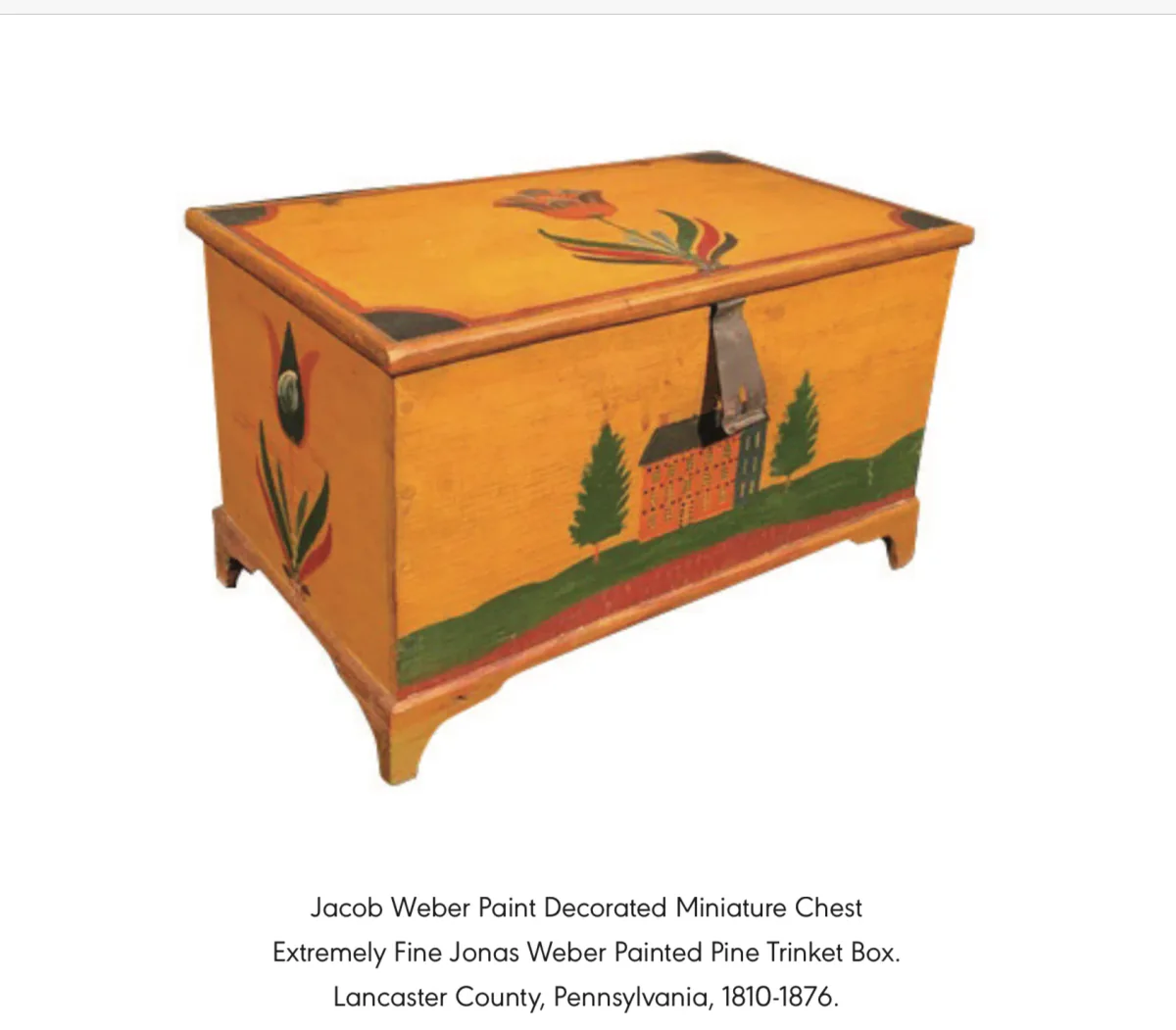
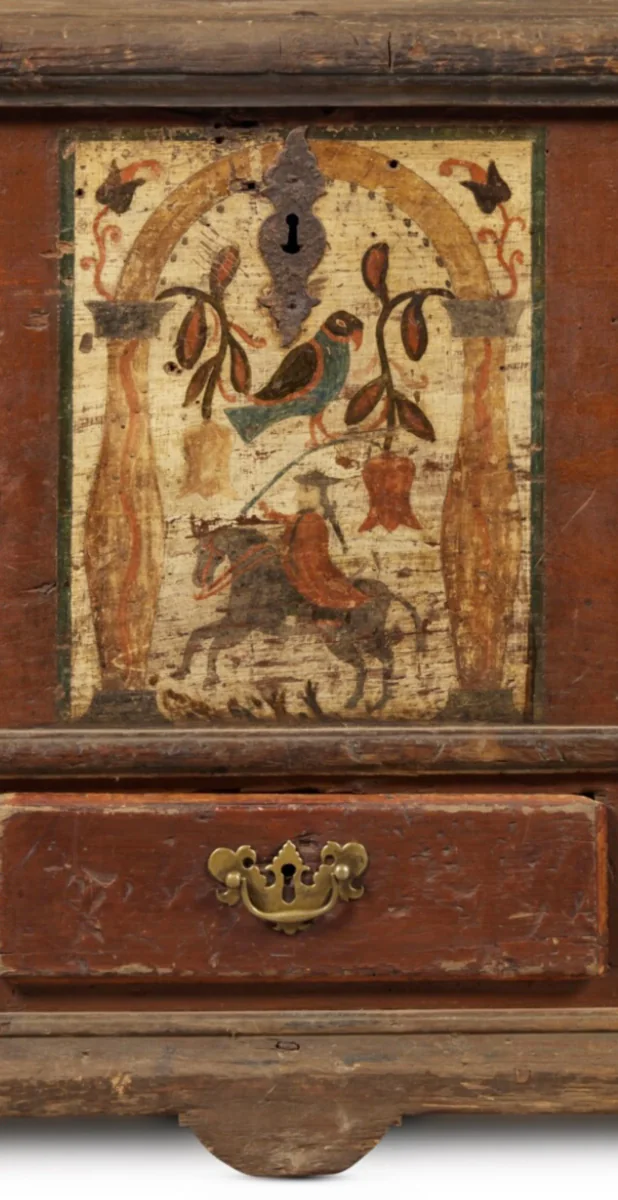
A painted chest, for example, may be described generally as “Pennsylvania Dutch,” but a closer study of its wood, decoration, hardware, and ownership history may point to a more specific county, period, or workshop tradition.
Identification is not the same as attribution. A piece marked with a famous name may be authentic, later, adapted from that maker’s work, or simply made in the style of the period.
The more precisely an object can be identified, the more useful its comparable sales will be.
2. Clarify Which Value You Need
There is no single value for every purpose.
Fair Market Value generally means the price a willing buyer and willing seller might agree upon in an open market, with neither party under pressure and both aware of the relevant facts. This is often the figure needed for estates, tax matters, and a realistic sale discussion.
Insurance Replacement Value reflects what it might cost to replace the object with a comparable piece through a dealer or specialist retail market. It is usually higher than fair market value.
There is also liquidation value, which applies when a piece must be sold quickly, often with limited marketing or under difficult circumstances.
Before you request an appraisal, explain its intended use. A value prepared for insurance is not necessarily the value you should expect to receive if you sell.
The IRS guidance on fair market value provides a useful definition for estate and tax-related situations. For insurance questions, your carrier may also have specific documentation requirements.
3. Look Closely At Condition And Restoration
Condition is one of the most important factors in an antique’s value.
Examine the object for:
- Structural damage
- Repaired breaks
- Refinished or stripped surfaces
- Overpainting
- Replaced hardware
- Missing elements
- Warping, losses, or insect damage
- Signs of water, smoke, or improper storage
Restoration is not automatically a negative. A carefully executed repair may preserve an important object and allow it to remain in use. However, extensive alterations can affect authenticity and market demand.
Original surfaces are often especially important in American furniture and folk art. Wear, abrasions, fading, and old repairs may tell part of the object’s history. Removing them can reduce rather than improve its value.
Avoid cleaning, refinishing, repainting, or repairing an antique before it has been properly examined. An enthusiastic improvement can erase evidence that a knowledgeable buyer or appraiser needs to see.
4. Gather Provenance And Family History
Provenance is the documented history of ownership and use.
For an inherited piece, family history can be an important starting point. Write down who owned it, where it was kept, when it entered the family, and anything you know about its earlier history.
Look for:
- Purchase receipts
- Old appraisals
- Auction records
- Exhibition labels
- Correspondence
- Family photographs
- Estate inventories
- Inscriptions and dates
- Notes written on the back or underside
A family story is valuable context, but documentation makes that history more useful in the market. A photograph showing a piece in an earlier home, for example, may help confirm how long it has been in the family and whether parts have changed.
In some cases, provenance can distinguish an ordinary example from one with a meaningful connection to a person, place, or collection.
5. Consider Rarity And Current Demand
Rarity matters, but rarity alone does not guarantee a high value.
An object may be uncommon because few people want it. Another may be one of many surviving examples but remain highly desirable because collectors actively seek it.
A knowledgeable evaluation considers:
- How many comparable examples are known
- Whether the maker or form is sought after
- The quality of design and workmanship
- The object’s regional or historical importance
- Whether it fits current collecting interests
- How well it compares with recent sales
Markets change. A form that was popular ten years ago may now attract a narrower audience. Conversely, renewed interest in folk art, regional furniture, or a particular artist can bring new attention to objects that have been overlooked.
The strongest value usually comes from the combination of rarity, quality, condition, and demand.
6. Pay Attention To Market Timing
The market is not fixed.
Prices can vary according to the season, the location of a sale, the quality of competing inventory, and the number of active buyers. A carefully curated auction with several related pieces may create more interest than a general sale with no clear focus.
Timing can also matter when settling an estate. If there is no urgent need to sell, allowing time for research, photography, cataloging, and the right sales venue may lead to a better result.
That does not mean waiting always increases value. Markets can soften, and storage, insurance, and maintenance carry costs. The point is to make a considered decision rather than assuming the first available sale is the best one.
7. Understand The Auction Market
Auction results are useful because they show what buyers actually paid, rather than what sellers hoped to receive.
When reviewing comparable sales, focus on completed transactions. Compare pieces that are similar in maker, period, scale, materials, condition, and quality. Asking prices can be helpful for understanding retail positioning, but they are not proof of market value.
Auction is not the only way to sell. Depending on the object, a private sale, specialist dealer, or carefully selected gallery may be more appropriate.
Each channel has different advantages:
- Auction can create competition and reach a broad buyer base.
- Private sale may provide a more focused presentation and discreet process.
- Dealer sale can offer a direct transaction and clear terms.
- Consignment may provide access to a specialist market, though timing and fees should be understood.
Ask about commissions, shipping, insurance, buyer’s premiums, photography, and other costs. The final hammer price is not always the same as your net proceeds.
8. Choose A Credible Appraiser
A credible appraiser should ask what the valuation is for and identify the type of value being provided.
Look for relevant experience with the category of object you own. Furniture, paintings, sculpture, stoneware, and Americana each require different kinds of knowledge.
A useful written report should include:
- A clear description of the object
- Measurements and materials
- Attribution or identification
- Condition and restoration details
- Provenance
- The intended use and date of the valuation
- The type of value being stated
- Comparable sales or other market evidence
- An explanation of the conclusion
Professional guidance often recommends a flat or hourly fee rather than a fee based on a percentage of the object’s value. A contingent fee can create a conflict of interest.
Be cautious if someone promises an unusually high value without examining the piece, refuses to provide a written explanation, uses vague credentials, or pressures you to sell immediately. A dealer may be able to offer a valuable market opinion, but a purchase offer and an independent appraisal are not the same thing. The relationship and purpose should be clear.
The American Society of Appraisers and the Appraisers Association of America are examples of professional organizations you may wish to research when seeking an appraiser.
9. Prepare Good Documentation And Photographs
Clear information makes an initial review more useful.
Take well-lit photographs of the front, back, sides, top, underside, interior, hardware, labels, signatures, and any damage. Include a ruler or familiar object for scale when appropriate.
Do not hide condition issues. Photograph cracks, repairs, losses, fading, and replaced components. A complete set of images helps establish a realistic starting point and avoids unnecessary surprises later.
For a first conversation, include:
- Dimensions
- Materials
- Location
- Ownership history
- Known dates
- Marks or inscriptions
- Condition concerns
- Any previous appraisals or sales records
Photographs cannot replace an in-person inspection for important objects, but they can help determine the next appropriate step.
10. Set Realistic Expectations: and Know When To Hold
It is natural to hope an inherited piece is worth more than expected. It is equally common to underestimate an object because it looks familiar or has been in the family for years.
A thoughtful valuation is usually expressed as a range, not a guaranteed result. The eventual price depends on presentation, timing, venue, competition, and the buyer’s level of interest.
You may also decide that selling is not the right choice today.
Consider holding an object when:
- The family history has not been fully researched
- The market is temporarily weak
- The piece needs careful conservation
- You are unsure whether it belongs in your collection
- There is no urgent financial reason to sell
- A future family member may value it more personally than the market can reflect
For collectors, refining a collection does not always mean removing every imperfect piece. Sometimes an object provides context, balance, or a connection to a broader story.
A Personal Review Can Bring Clarity
If you are still asking, “What is my antique worth?” begin with identification, condition, provenance, and purpose. Those four points will make any later appraisal or sale discussion more productive.
Whether you are refining a collection or managing an inherited estate, the process should be careful and specific. A knowledgeable review can help you understand what you own, what the market may support, and which path makes sense for you.
At Thurston Nichols, conversations about antiques begin with the object and your circumstances. If you have a piece you are considering selling, or you need guidance while settling an estate, you are welcome to reach out through our journal page. A personal response can help you decide what to document, what to research, and whether selling now is the right choice.